 By Ayse Ayhan
Beyond Pain: The Neuroendocrine–Immune Axis in Endometriosis
 By Ayse Ayhan
Endometriosis is often considered a hormonal and inflammatory disease—but this may be only part of the story. A recent review published in Biomolecules by Chang et al. from Fudan University, Shanghai, highlights that endometriosis is better understood as a condition…
Key Points Lay Summary
 By Selma Oransay
Pelvic nerve endometriosis: Diagnostic and treatment insights.
 By Selma Oransay
The exact mechanisms behind pelvic pain in endometriosis remain complex. Current understanding suggests that endometriotic lesions interact with sensory, sympathetic, and parasympathetic nerve fibers, driving inflammation, angiogenesis, and even direct invasion of peripheral nerves. This explains why deep infiltrating endometriosis…
Key Points Lay Summary
Laparoscopic Pudendal Neurolysis: A Solution for Entrapment-Related Pelvic Pain
By Selma Oransay
Pudendal neuralgia is a debilitating condition marked by chronic neuropathic pain in areas innervated by the pudendal nerve, often worsening with sitting and accompanied by urinary, bowel, and sexual dysfunctions. Central sensitization—a heightened nervous system reactivity—affects nearly half of these…
Key Points Lay Summary
Impact of Nerve Preservation During Parametrectomy on Urinary Retention in Deep Endometriosis Surgery
By Selma Oransay
Deep infiltrating endometriosis (DIE) is the most advanced form of the disease, characterized by lesions penetrating deeper than 5 mm. Surgical treatment requires a meticulous approach to minimize functional complications. Deep lesions involving the parametrium, uterosacral ligaments, and anterior rectal…
Key Points Lay Summary
 By Özge Özkaya
Nerve-Sparing Surgery Safe in DIE
 By Özge Özkaya
Robot-assisted nerve-sparing modified radical hysterectomy is associated with longer operative times and lower estimated blood loss compared to the conventional laparoscopic approach to treat deep infiltrating endometriosis (DIE), according to a new study published in the scientific journal Archives of…
Key Points Lay Summary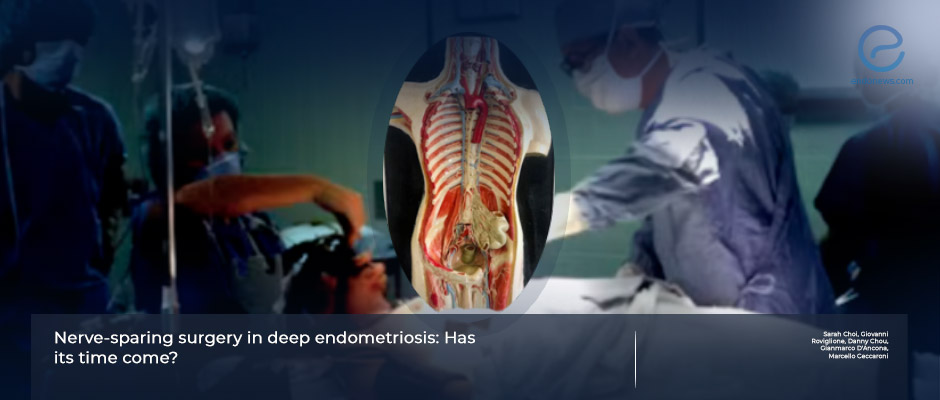
Why we should prefer nerve-sparing surgery in deep endometriosis?
By Selma Oransay
Despite its benign nature, deep endometriosis can mimic malignant processes and infiltrate multiple organs, blood vessels, ligaments, and nerves within the pelvis. When conservative medical management fails, the need for surgical excision of endometriotic lesions arises. The surgeons aim to…
Key Points Lay Summary
 By Nasuhi Engin Aydin
The depth of the iceberg: Parametrial involvement in deep endometriosis
 By Nasuhi Engin Aydin
Academicians led by members of the International School of Surgical Anatomy from Italy have published their paper on parametrial involvement of deep endometriosis in the medical periodical named “Best Practice & Research Clinical Obstetrics & Gynecology”. Deep endometriosis is troublesome when…
Key Points Lay Summary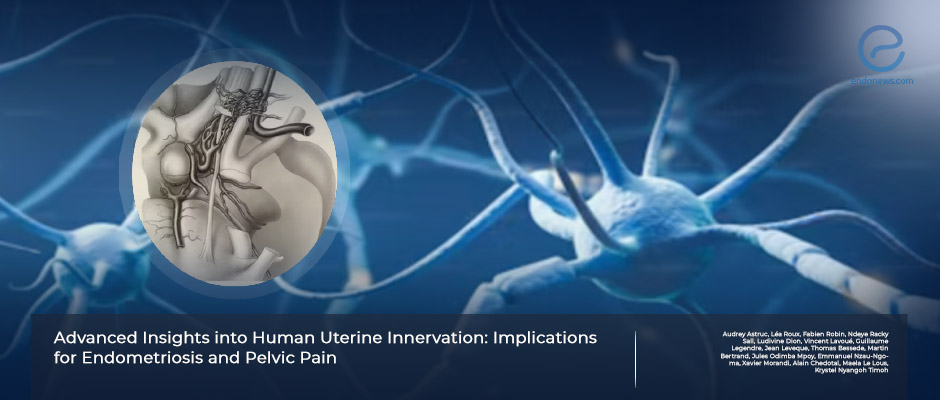
Uterine innervation and its impact on endometriosis related pelvic pain.
By Selma Oransay
Advancements in immunochemistry, fluorochromes, computer-associated anatomical dissection, and 3D reconstruction of uterine micro-innervation brought substantial progress in pelvic neuroanatomy. The complex uterine innervation and its interactions with uterine parts and layers are yet fully revealed. Austruc et al., from the…
Key Points Lay Summary
Quantification of nerve bundle density as a biomarker for endometriosis utilizing PGP9.5 immunostaining
By Nasuhi Engin Aydin
Scientists from Netherlands and Canada have published their authentic study on immunohistochemically assessed nerve fiber bundles of endometriotic tissues in a recent issue of Frontiers in Reproductive Health. Endometriotic tissues have nerve fibers which are stimulated in inflammatory processes leading…
Key Points Lay Summary
 By Eylül GÜN
Neurotrophins proposed as possible biomarkers for endometriosis
 By Eylül GÜN
As the search for a good-quality biomarker in endometriosis continues, certain growth factors have been investigated for their roles in the pathophysiology of the disease. Neurotrophins, as regulators of neuronal development and survival, are also known to take part in…
Key Points Lay Summary
Comparison of two different surgical approach to deep colorectal endometriosis in terms of postoperative outcomes.
By Selma Oransay
Deep colorectal endometriosis affects one-fifth of women with endometriosis, which is commonly associated with more pelvic pain and severe gastrointestinal symptoms. Three surgical approaches for deep colorectal endometriosis are segmental colorectal resection, full-thickness discoid resection, and shaving operation. Choosing the…
Key Points Lay Summary
Postoperative outcomes of laparoscopic rectosigmoid resection for bowel endometriosis.
By Selma Oransay
Rectosigmoid endometriosis comprises 80-85% of all bowel endometriosis cases and can be localized in the rectovaginal septum, uterosacral ligaments, retro-cervical region, and parametrium. Symptoms of rectosigmoid endometriosis include abdominal bloating, constipation-diarrhea, lower-back pain, dyschezia, and sometimes cyclic rectal bleeding. Minimally…
Key Points Lay Summary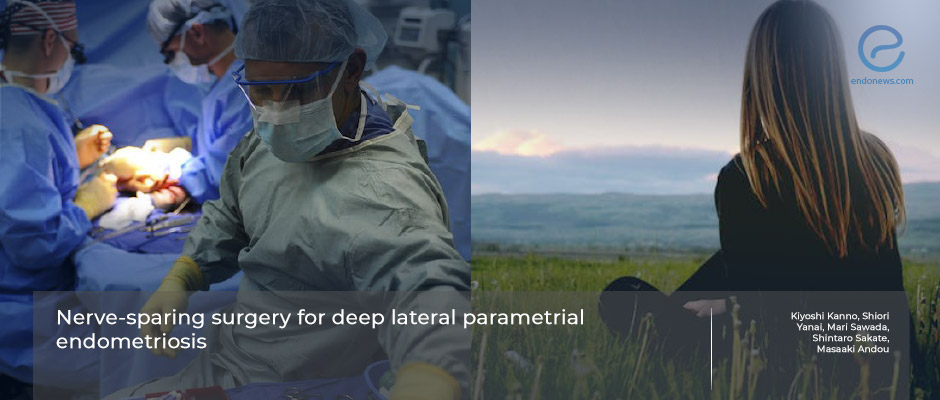
Deep lateral parametrial endometriosis nerve-sparing surgery
By Selma Oransay
Dr. Kanno et al. from the Department of Obstetrics and Gynecology of Kurashiki medical center, Okayama, Japan recently published a deep lateral parametrial endometriosis case report in the journal named Fertility and Sterility. The aim is to demonstrate the technical and…
Key Points Lay Summary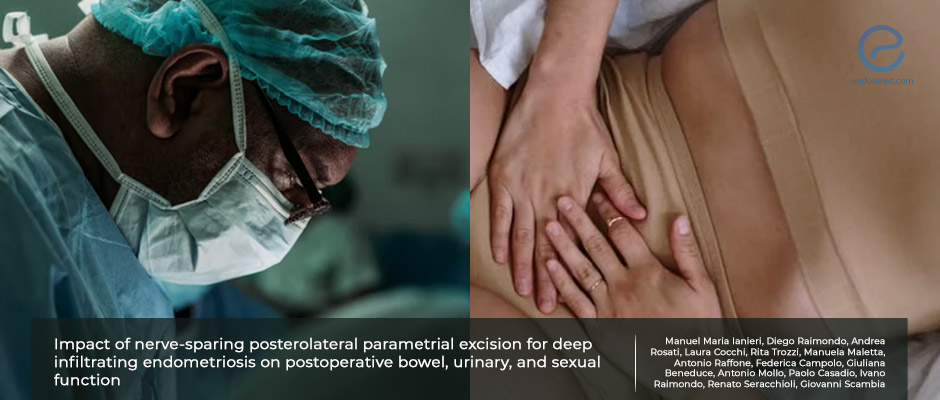
Nerve-sparing technique for deep infiltrating endometriosis and its impacts on pelvic organ and sexual functions.
By Selma Oransay
Deep infiltrating endometriosis and involvement of parametrium cause severe pelvic pain and dysfunction of some pelvic organs resulting in a reduction in women's quality of life. Although surgery for DIE aims to relieve pelvic pain, entering into the posterior parametrial…
Key Points Lay Summary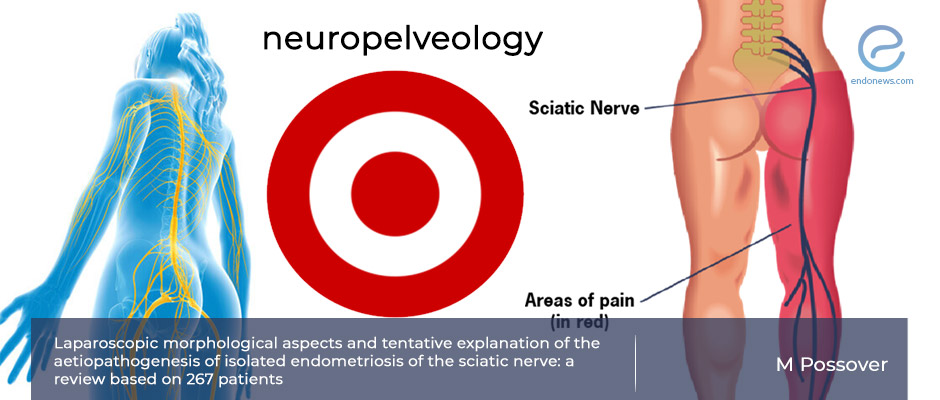
A rare but important disease: "isolated" endometriosis of the sciatic nerve
By Nasuhi Engin Aydin
Professor Marc Possover from Zurich, Switzerland has published his 16-year experience of surgical laparoscopic interventions on isolated endometriosis of the sciatic nerve in a recent issue of the official publication of the European Society for Gynecological Endoscopy; Facts, Views &…
Key Points Lay Summary
Is the presence of nerve fibers in the endometrium associated with endometriosis?
By Eylül GÜN
Endometriosis is a common disease in reproductive women and diagnostic imaging have a limited role in its diagnosis. The gold standard diagnostic method remains to be the histopathological examination of the tissue obtained via laparoscopy. One of its most common…
Key Points Lay Summary
 By Bahar Yuksel
A gentle touch on nerves affects dyspareunia
 By Bahar Yuksel
Endometriosis is a common disorder among women. Previous studies reported endometriosis-related deterioration of the quality of life. Deep dyspareunia is a common symptom of endometriosis and young patients face dyspareunia twice as much. Surgical treatments are alternative to medical therapies in cases…
Key Points Lay Summary
 By Irem Onur
Exploring Pelvic Pain: Deep to Ischial Spine Including Pre-Sacral Roots - A. Taner Usta, MD
 By Irem Onur
Chronic pelvic pain is defined as pain in the pelvic area that lasts for 6 months or longer and results in functional or psychological disability or requires intervention and treatment by the American College of Obstetrics and Gynecologists. There are…
Key Points Lay Summary
 By Ellen Tumimbang
Why Persistent or Recurrent Endometriosis Happens? - Dan Martin, MD
 By Ellen Tumimbang
The objectives of Dr. Martin in this presentation are to understand the difficulties in recognition of deep and hidden endometriosis, difficulties in recognition of small lesions of micron size, and differentiate the look-alike lesions of endometriosis. He addressed overcoming these…
Key Points Lay Summary
Endometriosis involving the Sacral Plexus and Sciatic Nerve
By Irem Onur
Endometriosis rarely involves the sacral and sciatic nerves. A retrospective analysis led by Rouen University Hospital, France and Aarhus University Hospital, Denmark, published in the Journal of Minimally Invasive Gynecology, has evaluated preoperative complaints, intraoperative findings, surgical procedures, and postoperative…
Key Points Lay Summary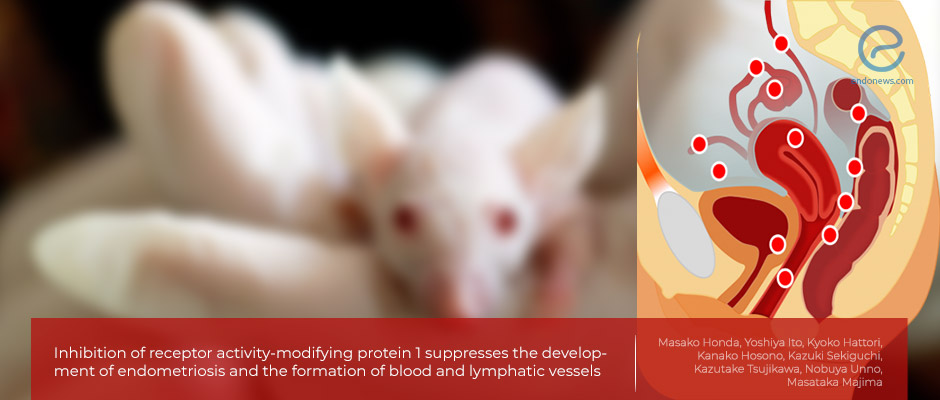
New Signaling Pathway Could Be Crucial in the Development of Endometriosis
By Özge Özkaya
RAMP1 signaling is crucial for growth and blood and lymphatic vessel formation in endometrial tissue, according to a new study published in the Journal of Cellular and Molecular Medicine. This suggests that blocking RAMP1 could be a new way to…
Key Points Lay Summary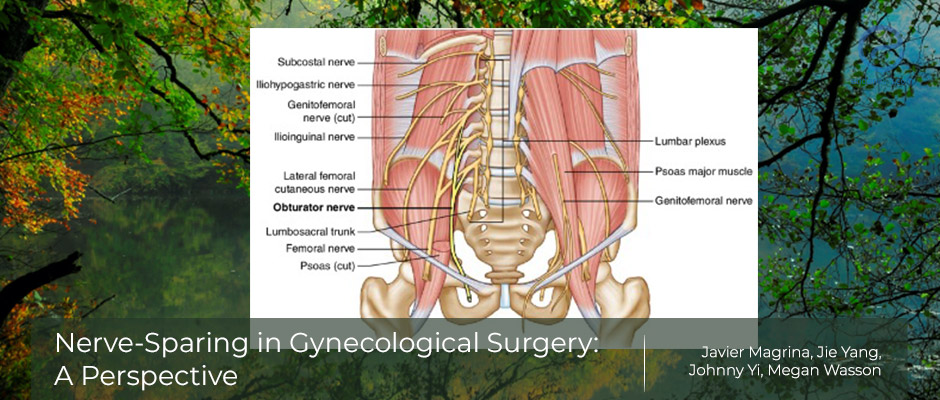
Benefits of Nerve-Sparing Hysterectomy
By Selma Oransay
The retroperitoneal spread of endometriosis or cancer may involve pelvic autonomic nerves situated on the lateral aspects of uterosacral ligaments, vesicouterine ligaments, and medial aspects of parametria. During the conventional open hysterectomy operations, nerve-sparing excision is very difficult, simply because pelvic autonomic nerves…
Key Points Lay Summary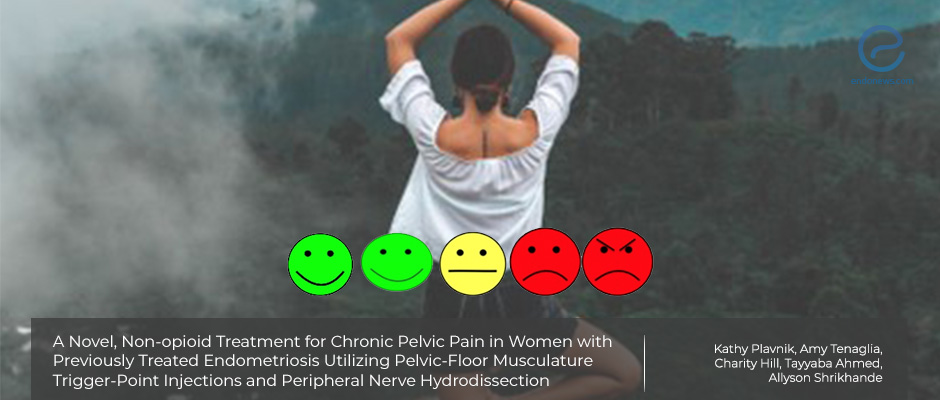
A New Treatment Approach for Endometriosis?
By Özge Özkaya
A new approach may be effective at relieving pain associated with endometriosis according to a study published in the PM&R Journal. The new technique may also improve “overall pelvic function, particularly in relation to intercourse, working, and sleeping,” according to the…
Key Points Lay Summary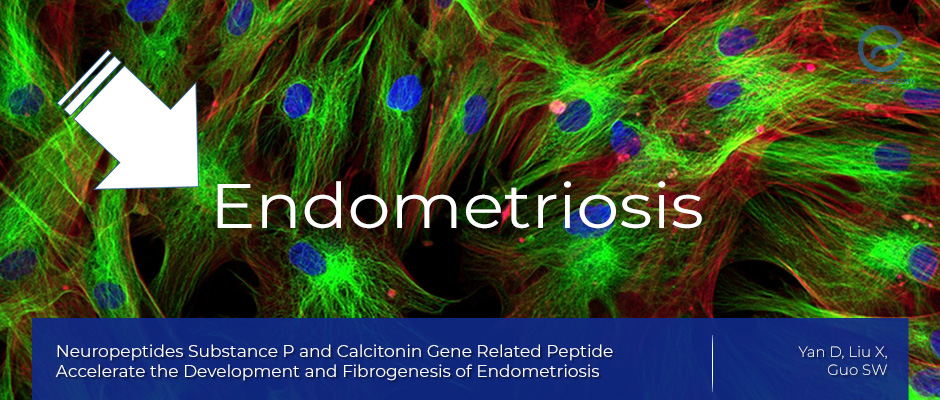
Study Sheds Light on Physiological Processes Associated with Endometriosis
By Özge Özkaya
Sensory nerves play an important role in the development of endometriosis as well as fibrosis, confirms a study by Chinese researchers. A better understanding of physiological processes associated with the development of endometriosis can help researchers devise new ways to…
Key Points Lay Summary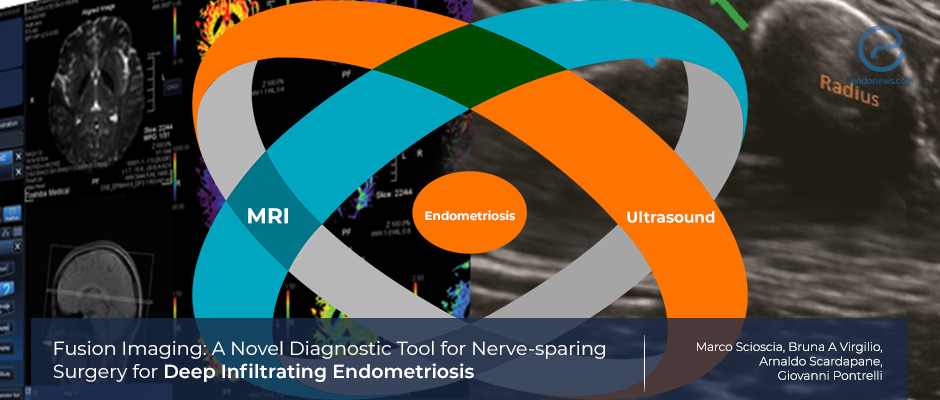
 By Timur Seckin
Fusion US/MR imaging in the evaluation of deep infiltrating endometriosis
 By Timur Seckin
Scioscia M. et al., from Italy presented a case of a large deep infiltrating nodule of the uterosacral ligament and discussed the importance of a relatively new technique, fusion US/MR imaging in their article. The article containing a video of…
Key Points Lay Summary
 By Murat Osman
Endometriosis that involves the nerves: how Radiologists can help
 By Murat Osman
Endometriosis is a disease with variable clinical symptoms. While rare, nerve involvement by endometriosis may cause neurologic symptoms such as pelvic pain, muscle weakness, bowel and bladder incontinence, and paraplegia depending on the specific nerve involved. Thus, abdominal radiologists should…
Key Points Lay Summary
 By Dr. Youngran Park
Fibrogenesis in endometriosis: The role of neuropeptides
 By Dr. Youngran Park
Endometriosis is a debilitating gynaecologic disease affecting 6–10% of women of reproductive age. Endometriotic lesions are known to be hyperinnervated due to neurogenesis resulting from neutrophins secreted by endometriotic lesions and possibly platelets. These neutrophins seem to preferentially favor the…
Key Points Lay Summary
A novel neurotransmitter, Ninj1, has been found to be expressed in endometriosis
By Irem Onur
Chronic inflammation is involved in the pathogenesis of endometriosis and adenomyosis, and inflammatory cytokines such as IL-1b are highly expressed in them. Inflammation and subsequent hyperinnervation are involved in the pathophysiology of pain generation. High levels of expression of various…
Key Points Lay Summary
Reduced pain and increased fertiliy rates after surgery for colorectal endometriosis
By Selma Oransay
This prospective cohort study which recently published in AOGS by Hudelist et al. from Oslo University, Norway is about their one hundred thirty-four laparoscopic operations of DIE cases performed between 2011 and 2016, in a tertiary center in Oslo. The…
Key Points Lay Summary
 By Demet Candaş Green
Stress affects endometriosis negatively
 By Demet Candaş Green
Stress contributes to many chronic health problems – endometriosis is one of them. Given that women with endometriosis are under more stress and pain, often with the added stress of infertility, it is important to understand the relationship between stress…
Key Points Lay Summary