 By Ayse Ayhan
Uterine Contractility and Endometriosis
 By Ayse Ayhan
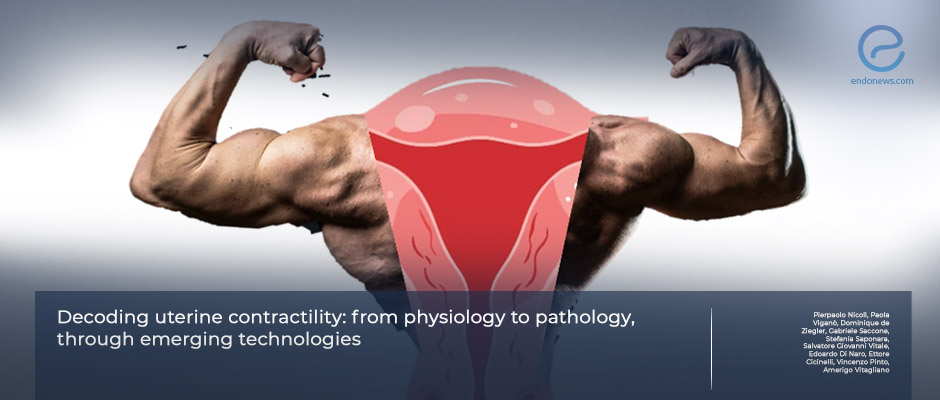
Uterine contractility—the rhythmic movement of the uterus—is increasingly recognized as a key physiological process that extends beyond menstruation to influence fertility and reproductive health. A recent review from Dr. Nicoli, from Bari, Italy, highlights how these coordinated contractions, which vary…
Key Points Lay Summary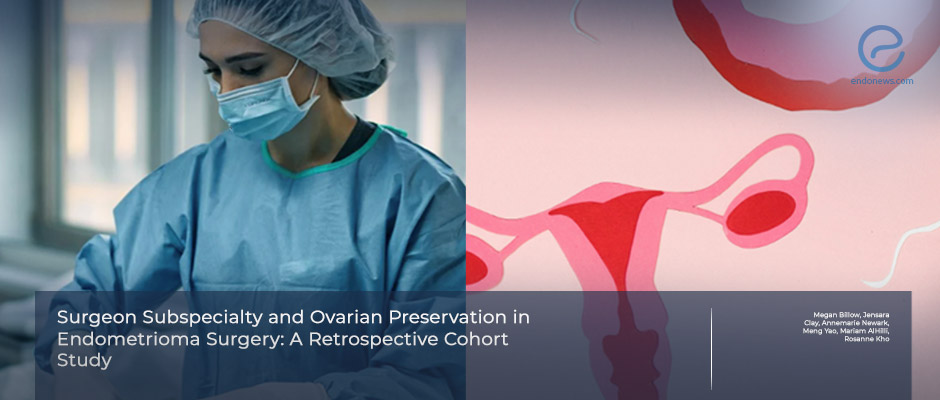
 By Hale Goksever Celik
Surgeon Subspecialty Affects Ovarian Preservation in Endometriosis Care
 By Hale Goksever Celik
Balancing effective disease removal with preservation of ovarian function remains one of the central challenges in the surgical management of ovarian endometriomas. Because the fibrotic capsule of these lesions is often tightly adherent to the ovarian cortex, excision requires meticulous…
Key Points Lay Summary
Endometrial PreparationMethods and Obstetric Risks After Frozen Embryo Transfer in Endometriosis
By Hale Goksever Celik
Endometriosis is a common condition and is present in 30–50% of women who experience difficulty conceiving. Because it can cause pelvic adhesions, hormonal disturbances, and chronic inflammation, many women with endometriosis require assisted reproductive technologies such as IVF and frozen…
Key Points Lay Summary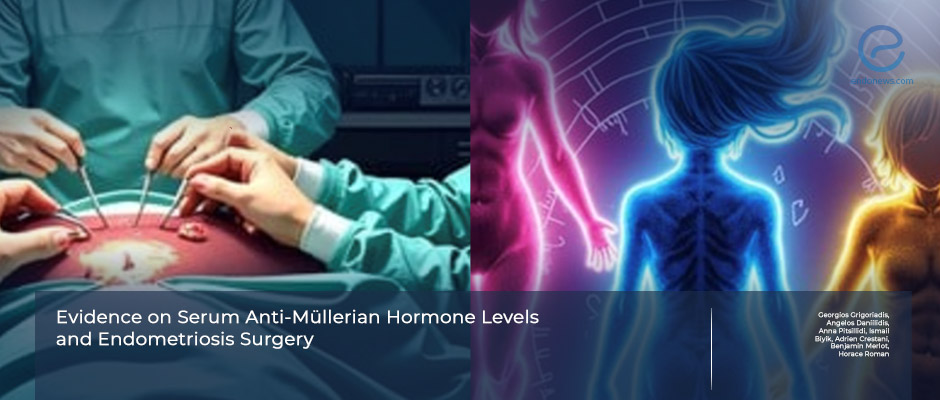
 By Selma Oransay
Endometriosis surgery and Anti-Mullerian Hormone Levels
 By Selma Oransay
Anti-Müllerian Hormone (AMH), a hormone produced by ovarian granulosa cells, is widely used to estimate ovarian reserve and predict how women may respond to fertility treatments. According to the latest ESHRE (European Society of Human Reproduction and Embryology) guidelines, ovarian…
Key Points Lay Summary
The current management of endometriosis-related infertility.
By Selma Oransay
Endometriosis is a chronic disease affecting women of reproductive age, often presenting with pelvic pain such as dyspareunia, dyschezia, and dysuria, or inertility, and significantly impacting quality of life. Management should be individualized based on symptoms, reproductive goals, age,…
Key Points Lay Summary
Surgery for Deep Endometriosis: Reproductive Outcomes in Infertile Women
By Selma Oransay
Deep endometriosis (DE) is a severe form of endometriosis where endometriotic growths invade deeper tissues such as the pelvic organs, including the bowel, bladder, and sometimes nerves. This type of endometriosis is often linked to infertility, but the exact relationship…
Key Points Lay Summary
Improving fertility in peritoneal endometriosis
By Selma Oransay
Endometriosis is the most common gynecologic disease that affects 10-15% of women in their reproductive age. The causal relationship between endometriosis and infertility is not clear yet, but adhesions and anatomical distortions due to the progression of the disease are…
Key Points Lay Summary
Spontaneous Conception After Deep Endometriosis Surgery
By Selma Oransay
Deep endometriosis is a severe form of endometriosis where lesions invade deeper than 5 mm into subperitoneal space. Surgical management of the disease is a challenging task requiring a multi-disciplinary approach and significant expertise in the field. Anastomotic leaks, fistula,…
Key Points Lay Summary
Deep infiltrating endometriosis and postoperative pregnancy outcomes
By Selma Oransay
Although the current ESHRE guidelines state that there is no strong evidence to support surgical intervention to improve the spontaneous pregnancy rate in women with deep infiltrating endometriosis and advise Assisted reproduction technology irrespective of the severity of endometriosis, several studies…
Key Points Lay Summary
Moderate-to-severe Endometriosis and "The Cumulative live birth rate" in IVF Cycles
By Hale Goksever Celik
Infertility is one of the major symptoms in women with endometriosis. The incidence of endometriosis is approximately 10% in reproductive-aged women and up to 40-50% in infertile women. There are multifactorial mechanisms resulting in endometriosis-associated infertility such as anatomic distortion, impaired…
Key Points Lay Summary
When to start ART after laparoscopic treatment of endometriosis?
By Selma Oransay
Laparoscopy combined with histopathologic confirmation of endometriosis is the reference standard for diagnosing endometriosis. Additionally, laparoscopic surgery is considered the most effective way to approach infertility induced by endometriosis. The surgical factors influencing the outcome of treating the infertility of…
Key Points Lay Summary
 By Nasuhi Engin Aydin
Antioxidant astaxanthin has promising effects on endometriosis-related infertility.
 By Nasuhi Engin Aydin
Dr. Rostami and colleagues from the Tehran University of Medical Sciences, Iran, have published a pioneering clinical study on the effects of antioxidant astaxanthin supplementation in infertile endometriosis patients in the scientific journal named Frontiers in Endocrinology. A complicated network…
Key Points Lay Summary
First-line surgery or first-line ART: A real challenge both for the clinicians and infertile women having DIE without colorectal involvement
By Hale Goksever Celik
Deep infiltrating endometriosis (DIE) is defined as the presence of endometriotic lesions over 5 mm in depth under the peritoneal surface. These women suffer from chronic pelvic pain, dysmenorrhea, dyspareunia, chronic pelvic pain, bloody or painful bowel movements, and infertility. There…
Key Points Lay Summary
Postoperative pregnancy outcomes in women with deep infiltrating endometriosis
By Hale Goksever Celik
Subperitoneal invasion of endometriotic lesions exceeding 5 mm in depth is named "deep infiltrating endometriosis' and can be located on uterosacral ligaments, in the intestine, vagina, bladder, and ureter. Women with deep infiltrating endometriosis suffer from pelvic pain and infertility most…
Key Points Lay Summary
Conventional IVF or ICSI: Which one is more accurate in endometriosis-related infertility?
By Hale Goksever Celik
Although the prevalence of endometriosis is 10-15% in the general population at reproductive age, it is diagnosed more frequently in infertile women with a prevalence of 25-40%. Although the exact mechanism explaining the association between endometriosis and infertility has not…
Key Points Lay Summary
Ovarian endometriomas, ovarian reserve, oocyte quality and IVF/ICSI outcomes
By Selma Oransay
Surgery and assisted reproductive technology (ART) are the preferred treatments for endometrioma in infertile patients. When ART is considered, surgery may seem to have no advantages, as it may not improve pregnancy outcomes and may carry the risk of decreasing…
Key Points Lay Summary
The necessity of laparoscopy for unexplained infertility.
By Selma Oransay
The standard for accepting a couple as "infertile" is the inability to conceive after 12 months of regular unprotected intercourse. When this condition is met, assessing the number of motile sperm in the male partner and certifying the patency at…
Key Points Lay Summary
Placenta praevia and cesarean section more common in patients with ART for Endometriosis
By Hale Goksever Celik
Even though endometriosis is known to be associated with infertility, these women still have a chance to get pregnant spontaneously or by assisted reproduction techniques (ART) with the aid of recent technological developments. A It has also been shown that…
Key Points Lay Summary
Assisted Reproductive Technology Outcomes in Women with and without Endometriosis
By Selma Oransay
Endometriosis causes infertility in one-third of patients, while in approximately 25-35% of infertile women, the cause is endometriosis. The primary interest and the question of Moss et al. from the University of Queensland, Brisbane, Australia was "the differences in the…
Key Points Lay Summary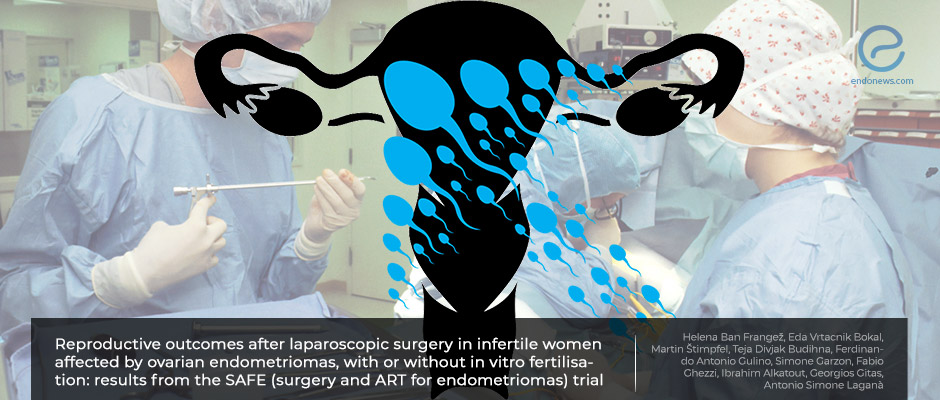
Impact of surgery before IVF in infertile women with endometrioma
By Hale Goksever Celik
Among the women with endometriosis, 30 to 50% are estimated to have infertility. On the contrary, among women who present with infertility, 25 to 50% are estimated to also have endometriosis. Several mechanisms have been proposed to explain the association…
Key Points Lay Summary
Endometriosis, ART, fertility preservation
By Selma Oransay
This review entitled "The impact of endometriosis on the outcome of assisted reproductive techniques: role of fertility preservation" was written by Necula et al. from Gynecology and Obstetrics Unit, Biel, Switzerland, and recently published in the journal "Hormone, Molecular Biology and Clinical…
Key Points Lay Summary
 By Bahar Yuksel
The effects of endometriosis on life satisfaction.
 By Bahar Yuksel
Endometriosis is well-known for its debilitating effects on women suffering from it. In the review conducted by Masoumeh Namazi et al, the authors have collected studies searching for the wellbeing of women with endometriosis. They have analyzed 46 studies that…
Key Points Lay Summary
Impaired fertility potential in endometriosis patients
By Hale Goksever Celik
Infertility is frequently encountered in endometriosis patients because of anatomic distortion, alterations in endometrial receptivity, diminished tubal peristalsis and sperm movements. Garcia-Fernandez and García-Velasco, from Edinburgh, UK and Madrid, Spain, published a mini-review titled “Endometriosis and Reproduction: What We Have…
Key Points Lay Summary
Implantation failure in endometriosis patients - Jovana Lekovich, MD., PhD.
By Hale Goksever Celik
Endometriosis is one of the leading reasons for infertility due to decreased oocyte/embryo quality, fertilization ability, tubal function, and aberrant endometrial receptivity. Whether this failure is caused by oocyte/embryo or eutopic endometrium is one of the investigated topics in endometriosis…
Key Points Lay Summary
In vitro fertilization protocols in endometriosis patients - Pinar Kodaman, MD., PhD.
By Hale Goksever Celik
Infertility is frequently encountered in endometriosis patients because of anatomic distortion, alterations in endometrial receptivity, diminished tubal peristalsis, and sperm movements. Even though the disease stage and presence of endometrioma is negatively correlated with infertility, it is unpredictable which women…
Key Points Lay Summary
Endometrioma size and anti-Müllerian hormone levels
By Hale Goksever Celik
Endometriotic lesions are encountered in different locations in the pelvic cavity, including but not limited to the ovaries, the pouch of Douglas, the ureters, the bladder, and the bowel. Cystic endometriosis lesions located in the ovary are called "endometrioma". Endometriomas have…
Key Points Lay Summary
Reduced risk of "small for gestational age baby" following frozen embryo transfer in endometriosis patients
By Hale Goksever Celik
Infertility is encountered frequently in patients with endometriosis. These women could be managed using assisted reproductive technology (ART) including in-vitro fertilization (IVF) or intracytoplasmic sperm injection (ICSI) to achieve pregnancy. However, some adverse obstetric and perinatal outcomes are experienced more…
Key Points Lay Summary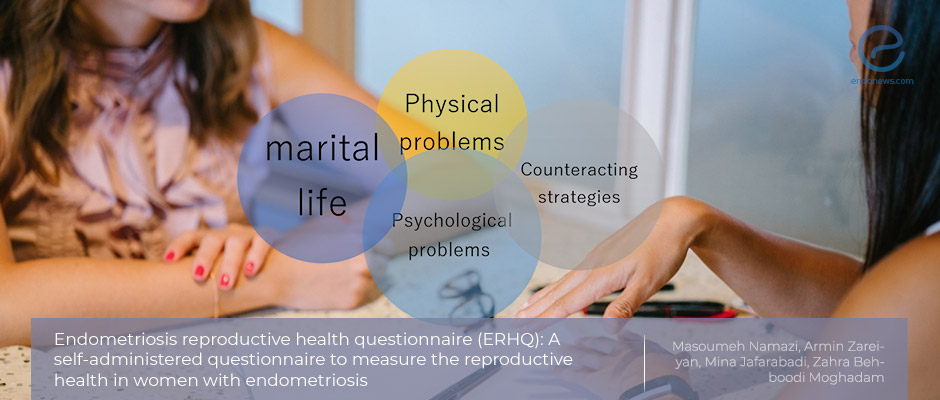
 By Özge Özkaya
Assessment of Reproductive Health for Women With Endometriosis
 By Özge Özkaya
Researchers in Iran developed a new and reliable patient-generated instrument to measure the reproductive health of women with endometriosis. Health providers as well as researchers can use the questionnaire to better understand the impact of the disease on women’s reproductive health…
Key Points Lay Summary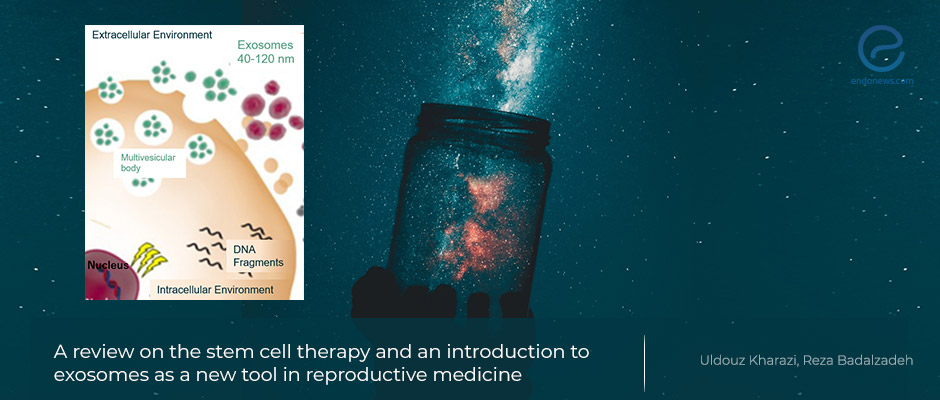
 By Dr. Youngran Park
Stem cell and exosome therapy
 By Dr. Youngran Park
These days, two experimental methods, stem cell, and exosome therapy are getting more attention. Stem cell therapy has shown promising effects in regenerative medicine, including myocardial infarction, nervous system impairment, retinal damage, and liver diseases. Recent studies showed that stem…
Key Points Lay Summary
The impact of laser vaporization on reproductive outcomes in women with endometrioma
By Hale Goksever Celik
Despite extensive research, the optimal method for the management of endometriosis still remains unclear. Excisional surgery is claimed with a more favorable outcome than drainage and ablation regarding the recurrence of disease and symptoms. On the other hand, cyst vaporization…
Key Points Lay Summary
International experts commentary for assisted fertility treatment facilities amidst COVID-19
By Nasuhi Engin Aydin
A multinational and multi-institutional commentary led by Dr. Alviggi from Italy and Dr.Esteves from Brazil has addressed important issues on assisted reproductive technology treatment amid COVID-19 lockdown suggesting remedies in the journal of "Reproductive Biology and Endocrinology" May 2020 issue.…
Key Points Lay Summary
Resveratrol for infertility: A frenemy?
By Selma Oransay
Ovarian aging is defined by an age-specific decline of the functional ovarian reserve. Female ovarian reserve declines progressively with increasing chronological age. Chronic damage by reactive oxygen species results in deterioration and aging through mitochondrial dysfunction, telomere shortening, cohesion dysfunction,…
Key Points Lay Summary
Fertility preservation protocols in women with endometriosis
By Hale Goksever Celik
Infertility is one of the major symptoms in women with endometriosis. Childbearing at a delayed age is preferred by the majority of women recently who consult for the demand for fertility preservation procedures. There are several techniques for fertility preservation…
Key Points Lay Summary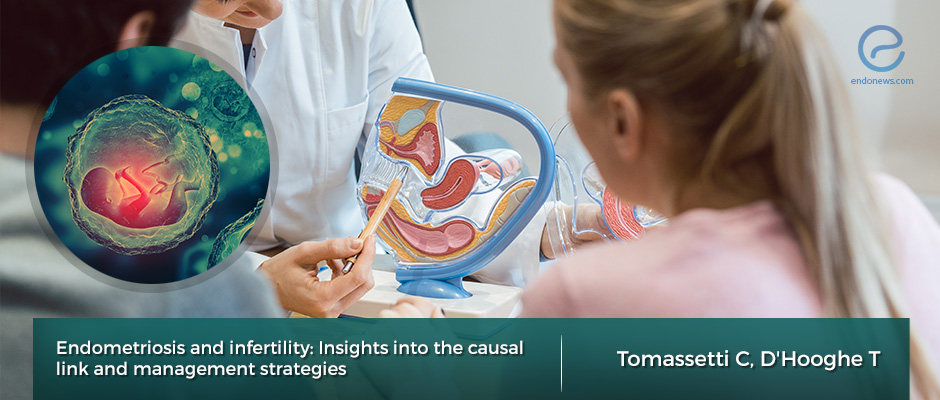
Infertility in women with endometriosis
By Hale Goksever Celik
Endometriosis is an estrogen-dependent gynecological disease mostly encountered in reproductive-aged women. The most common presenting complaints are dysmenorrhea, dyspareunia, chronic pelvic pain, and infertility. Despite extensive research, the etiopathogenic mechanism underlying the two has not been fully elucidated. Although human…
Key Points Lay Summary
Endometrioma, Fertility, and Assisted Reproduction
By Dr. Youngran Park
Endometriosis can negatively impact a woman’s health and quality of life. Surgery has been considered the primary treatment to overcome infertility in cases of ovarian endometrioma. Patients struggling with endometriosis often pursue assisted reproductive technologies (ART) due to fertility issues.…
Key Points Lay Summary
Non-assisted reproductive technology treatment: Is it effective in infertile patients with advanced endometriosis?
By Hale Goksever Celik
The marriage and childbearing ages delay due to the life-style changes in developed countries. As a result, advanced age becomes a major concern in infertility treatments which consist of non-ART and ART modalities. Non-ART treatments include mild ovarian stimulation together…
Key Points Lay Summary
Non-coding RNAs in endometriosis
By Dr. Youngran Park
The pathophysiological mechanisms causing the development of endometriosis, which is a heterogeneous disease remain enigmatic, and a lack of effective biomarkers necessitates surgical intervention for diagnosis. Non-coding RNA (ncRNA) molecules, which are important regulators of cellular function, have been implicated…
Key Points Lay Summary
 By Yu Yu
Reproductive delay and social egg freezing
 By Yu Yu
The data collected from Office for National Statistics in England and Wales has suggested a major shift in the timing of motherhood. In the mid-1970s, the average age of motherhood was 26.4 years of age to, while in 2016, it…
Key Points Lay Summary
 By Demet Candaş Green
The effect of endometriosis on preterm birth risk
 By Demet Candaş Green
Some studies show that women with endometriosis develop significant complications during pregnancy that lead to preterm labor, and newborns of these women often need neonatal intensive care unit admissions. However, other studies argue that endometriosis have no significant effect on…
Key Points Lay Summary
Treatment of minimal endometriosis in infertile women
By Demet Candaş Green
For women with mild/minimal endometriosis, European Society of Human Reproduction and Embryology (ESHRE) recommends the removal of endometriotic lesions to improve fertility and increase pregnancy rates. For women undergoing assisted reproductive treatment, there is ongoing debate whether surgical removal of…
Key Points Lay Summary
Endometriosis Reduces Chance of Having a Baby Even with Assisted Reproduction, Study Shows
By Özge Özkaya
Endometriosis significantly decreases the likelihood of conceiving even with assisted reproductive technique such as in vitro fertilization (IVF) and Intracytoplasmic sperm injection (ICSI), according to a study published in the European Journal of Obstetrics & Gynecology and Reproductive Biology. In…
Lay Summary