 By Ayse Ayhan
Beyond Pain: The Neuroendocrine–Immune Axis in Endometriosis
 By Ayse Ayhan
Endometriosis is often considered a hormonal and inflammatory disease—but this may be only part of the story. A recent review published in Biomolecules by Chang et al. from Fudan University, Shanghai, highlights that endometriosis is better understood as a condition…
Key Points Lay Summary
 By Selma Oransay
How Epithelial-to-Mesenchymal Transition Alters Estradiol Metabolism in Endometriotic Cells?
 By Selma Oransay
Researchers are increasingly uncovering how endometriosis behaves not just as a hormonal disorder but as a condition shaped by complex cellular signaling pathways. A new study published in Biochemical and Biophysical Research Communications helps explain why endometriotic lesions are able…
Key Points Lay Summary
 By Eylül GÜN
New developments in endometriosis from a molecular and cellular standpoint
 By Eylül GÜN
Researchers are making significant progress in endometriosis regarding molecular and cellular research, with collaborative efforts by clinicians, scientists, surgeons, and biostatisticians. Laganà et al. from Italy wrote an editorial regarding the recent special issue called "Molecular and Cellular Advances in Endometriosis Research…
Key Points Lay Summary
A review for genetics of endometriosis.
By Selma Oransay
There is an increased risk of developing endometriosis among first-degree relatives, which can raise suspicions of the role of genetic factors in endometriosis. Genome-wide association studies and next-generation sequencing have identified numerous genetic loci and variants relating to the disease.…
Key Points Lay Summary
 By Bahar Yuksel
Deep Infiltrating Endometriosis and Adenomyosis have different genetic pathways
 By Bahar Yuksel
It is still not defined whether adenomyosis is also a deep endometriosis component or not. In the study conducted by Marshall et al, the researchers compared the gene expression patterns between deep infiltrating endometriosis (DIE) and adenomyosis uteri in order…
Key Points Lay Summary
What happens to women with endometriosis after menopause?
By Selma Oransay
Endometriosis affects women in their reproductive period of life, with expected regression of lesions in the postmenopausal period. Literature about postmenopausal endometriosis assessing the prevalence, pathogenesis, and treatment is limited. As 2-5 % of postmenopausal women are affected by this uncommon condition, developing stress…
Key Points Lay Summary
 By Nasuhi Engin Aydin
The pathogenesis of endometriosis : New discoveries with clinical impact
 By Nasuhi Engin Aydin
In this recent review article that appeared in Current Women’s Health Reviews, compiled by researchers from the Department of Molecular Cell Biology and Human Genetics, Institute of Cell Biology and Neuroscience Frankfurt, Germany the following important points in regard to the molecular and cellular pathogenesis of…
Key Points Lay Summary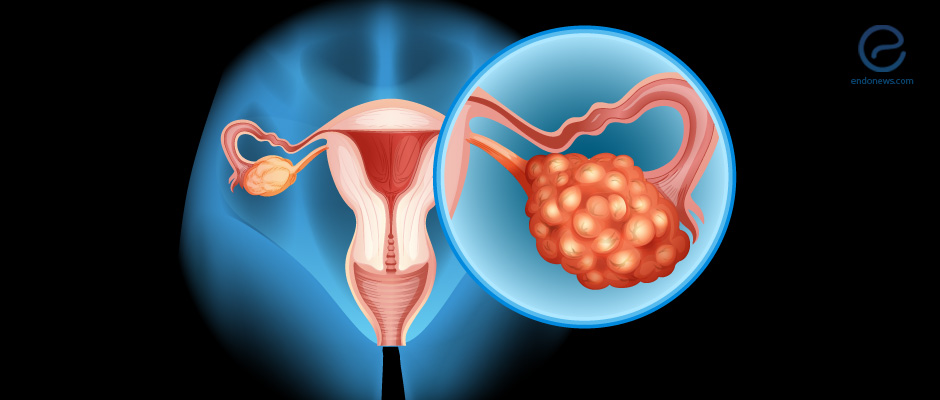
 By Kasthuri Nair
When Endometriosis Becomes Malignant
 By Kasthuri Nair
Anglesio and Yong recently wrote a review titled “Endometriosis-associated Ovarian Cancers” that was published in Clinical Obstetrics and Gynecology. This review explored the relationship between endometriosis and ovarian cancers. It is important to note that this review is a compilation of…
Key Points Lay Summary
Updates in the Field of Endometriosis
By Kasthuri Nair
A lot of progress has been made thus far in the field of endometriosis. Research has discovered various genetic and epigenetic components involved in endometriosis. There has also been a progression in the diagnosis and treatment of the disease since…
Key Points Lay Summary