Search :
 By Ayse Ayhan
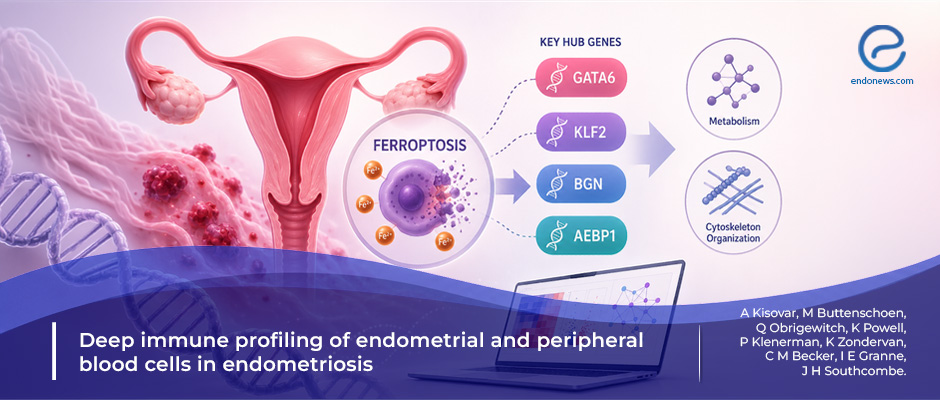
Could Ferroptosis Help Explain Endometriosis Development?
 By Ayse Ayhan
Ferroptosis is a recently recognized form of programmed cell death that depends on iron and oxidative stress. Because endometriotic lesions are known to contain excess iron and exhibit increased oxidative stress, researchers have proposed that abnormalities in ferroptosis may contribute…
Key Points Lay Summary
 By Özge Özkaya
The Cognitive-Emotional Pain Network in Endometriosis
 By Özge Özkaya
Pain intensity and pain-related functional burden may contribute to progressive worsening of cognitive fusion, depressive symptoms, and somatization in women with endometriosis, according to a study led by David Skvarc and published in the British Journal of Health Psychology. Cognitive-emotional…
Key Points Lay Summary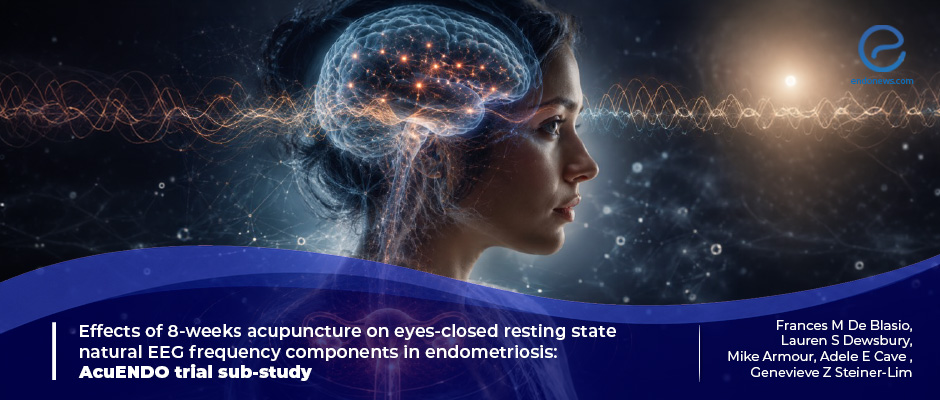
Brain Rhythms and Neurophysiology of Endometriosis Pain
By Ayse Ayhan
A study published in the journal Acta Psychologica suggests that improvement in endometriosis-related chronic pelvic pain may be accompanied by measurable changes in brain activity patterns detected by electroencephalography (EEG). The team led by Genevieve Z. Steiner-Lim, investigated whether pain…
Key Points Lay Summary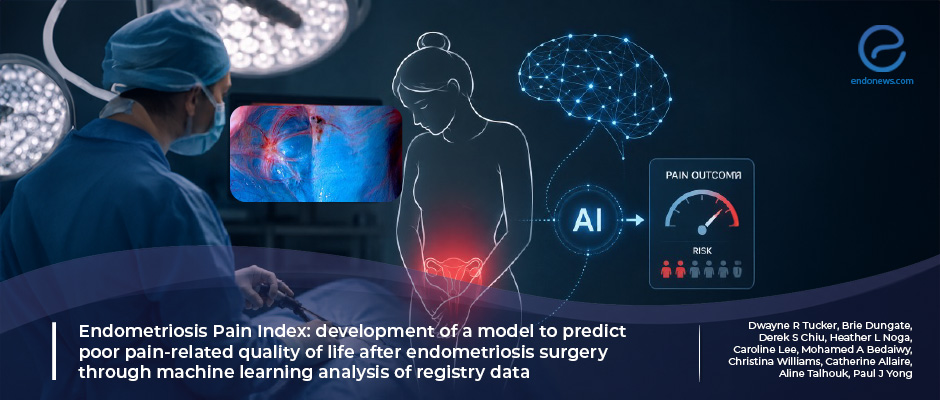
Can We Predict Surgical Pain Outcomes?
By Ayse Ayhan
Women with endometriosis often undergo surgery to relieve pelvic pain, yet many continue to experience persistent or recurrent symptoms even after technically successful procedures. In a new study published in PAIN, Dr. Dwayne R. Tucker and colleagues from the…
Key Points Lay Summary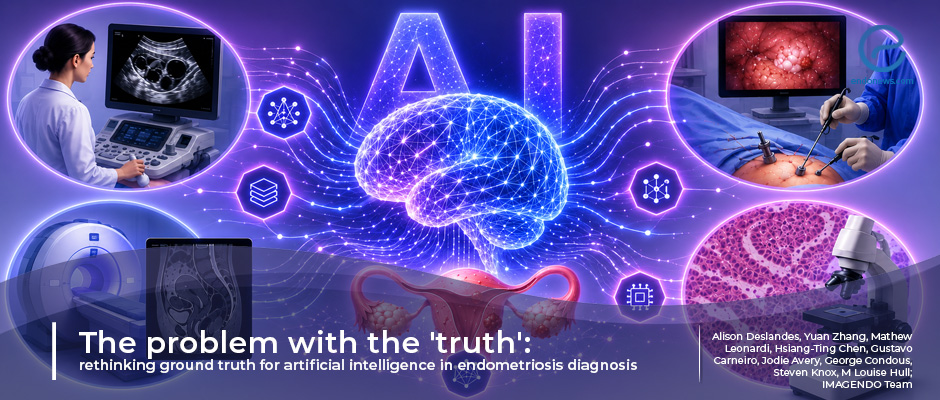
Rethinking Ground Truth in Endometriosis "AI"
By Ayse Ayhan
Artificial intelligence (AI) is increasingly being explored as a tool to improve the diagnosis of endometriosis, a disease that remains difficult to identify accurately and often requires years before confirmation. However, a new commentary published in Human Reproduction by Alison…
Key Points Lay Summary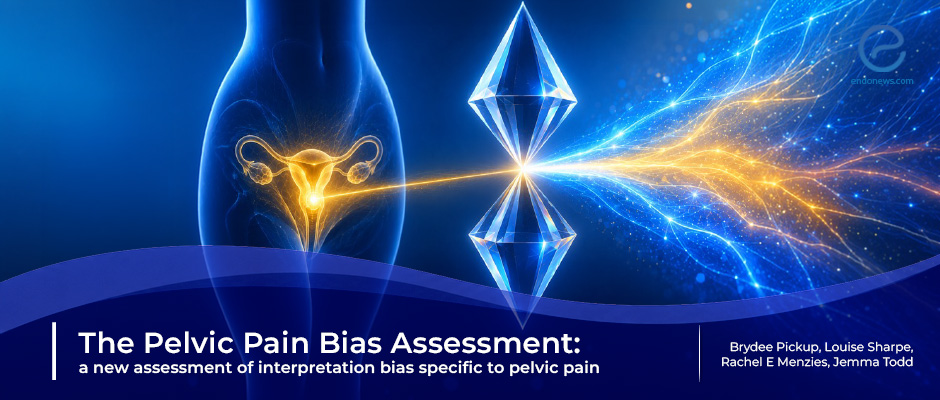
Endometriosis, Pelvic Pain, and Interpretation Bias
By Ayse Ayhan
How people interpret ambiguous bodily symptoms may influence the severity of pelvic pain and menstrual symptoms, according to a new study published in the scientific journal PAIN. The study found that women with endometriosis and other pelvic pain conditions were…
Key Points Lay Summary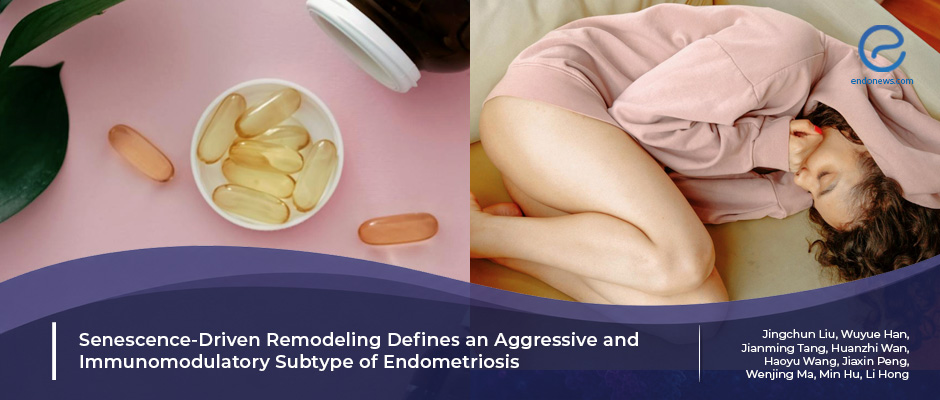
Plant Sterol Against Endometriosis
By Özge Özkaya
Endometriosis may include an aggressive, immunomodulatory subtype driven by a cellular senescence–PAK4–AKT signaling circuit, according to a new study published in Aging Cell by Jingchun Liu and colleagues from Wuhan University. The researchers also identified the natural plant sterol stigmasterol…
Key Points Lay Summary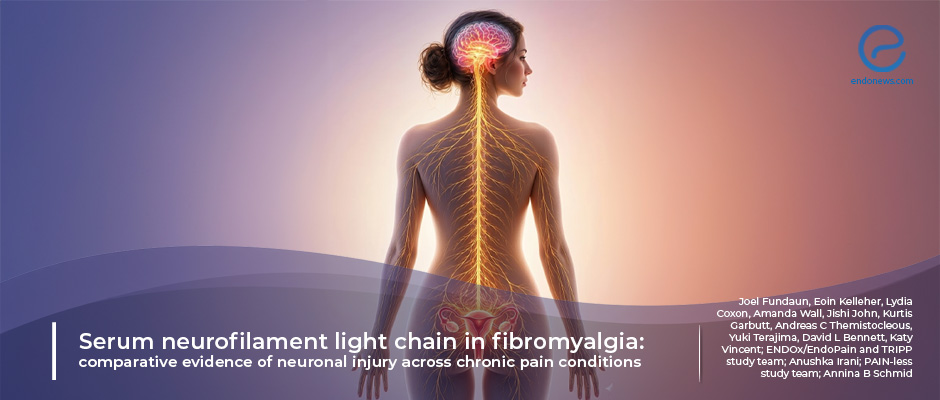
Serologic Signals of Nerve Injury in Endometriosis
By Özge Özkaya
Patients with fibromyalgia demonstrated serologic evidence of ongoing neuronal injury comparable to small fibre neuropathy, according to a new study published in Pain Reports. The study also showed that patients with endometriosis exhibited an intermediate neurofilament light chain (NfL) profile,…
Key Points Lay Summary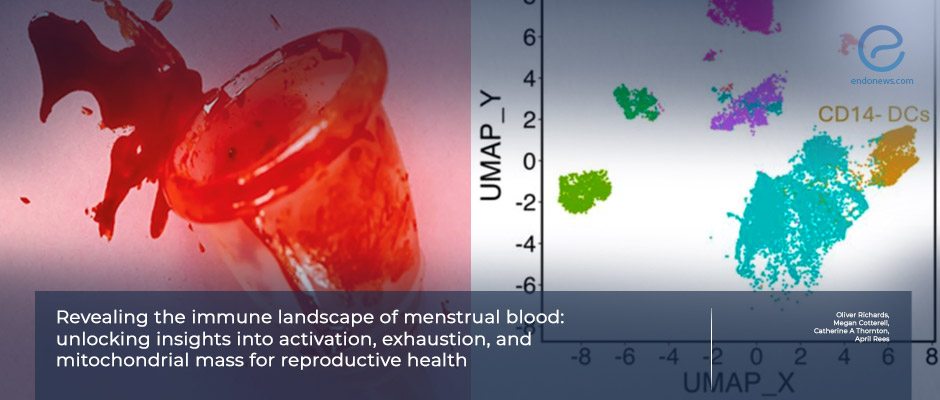
Menstural Blood: A Medium Full of Information for Reproductive Diseases
By Özge Özkaya
A study published in ImmunoHorizons by Dr. April Rees and colleagues from Swansea University Medical School, UK, demonstrates that menstrual blood provides a biologically informative and non-invasive window into immune processes underlying reproductive diseases. Using an optimized high-dimensional,27-color flow cytometry platform…
Key Points Lay Summary
Nerve Preservation Improves Outcomes in Bowel Endometriosis
By Özge Özkaya
Laparoscopic nerve-sparing resection (LscPR) may offer an optimal balance between effectiveness and safety in the surgical management of bowel endometriosis, according to a study published in the International Journal of Women’s Health. In a retrospective cohort of 320 women treated…
Key Points Lay Summary