Endometriosis and atherosclerotic cardiovascular disease
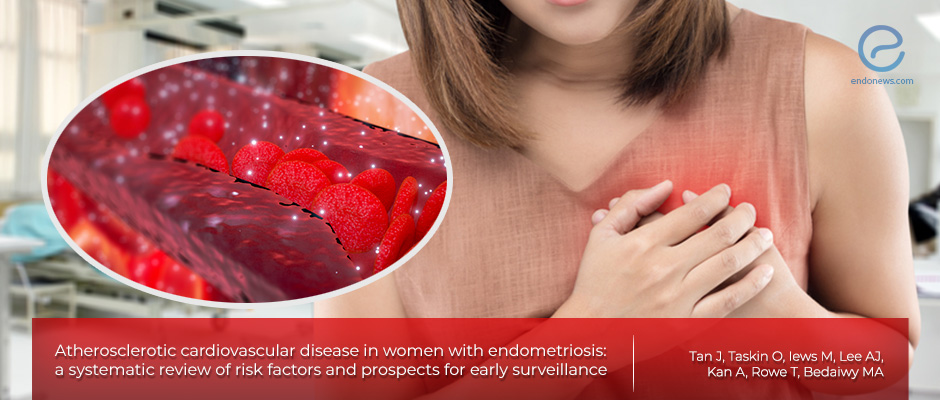
Early diagnosis and treatment of endometriosis could help to reduce the incidence of atherosclerotic cardiovascular disease if this relationship is certain.
Key Points Lay Summary
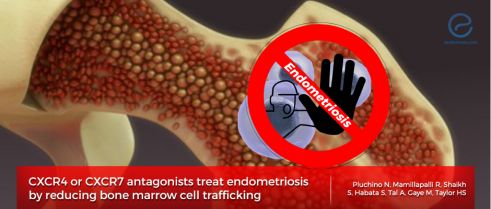
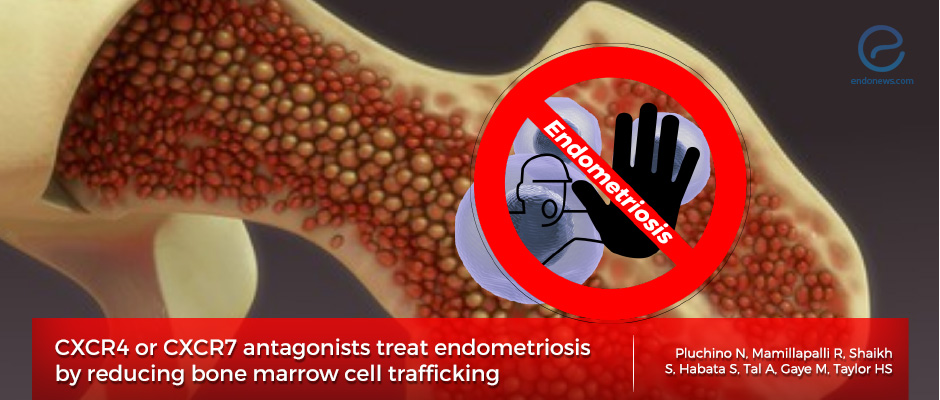
CXCR4 or CXCR7 antagonists as novel therapies for endometriosis
Blocking CXCR4 and CXCR7 reduces engraftment of bone marrow-derived stem cells into the endometriosis
Key Points Lay Summary

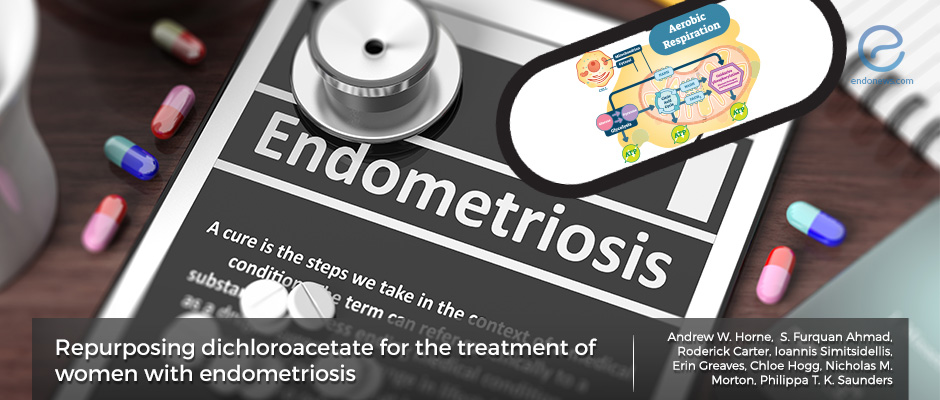
A nonhormonal treatment of endometriosis: Dichloroacetate
Oral administration of dichloroacetate reduced the size of endometriosis lesions in a mouse model.
Key Points Lay Summary

What do Women with Endometriosis Think About the Medical Profession?
Study describes factors associated with a negative perception of the medical profession among women with endometriosis.
Key Points Lay Summary
Endometriosis signaling: the role of IL-34
IL-34 as a future target in endometriosis treatment
Key Points Lay Summary

A comprehensive review on the etiopathogenesis of endometriosis
A single etiopathogenetic explanatory model is not sufficient for endometriosis
Key Points Lay Summary
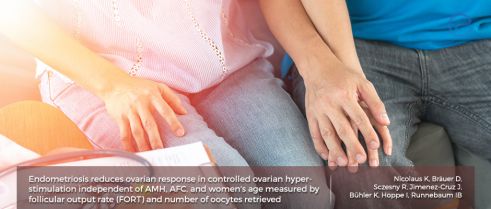
Endometriosis and ovarian reserve
The follicular output rate (FORT) and the number of metaphase-II oocytes decrease due to endometriosis, regardless of age, antral follicle count and anti-Müllerian hormone.
Key Points Lay Summary

How to design patient-centered interventions to meet the needs of endometriosis patients
To improve the quality of life of women with endometriosis is essential.
Key Points Lay Summary